The Banknote Library
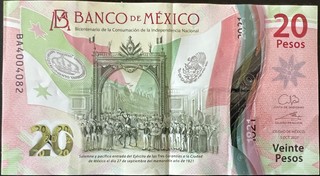
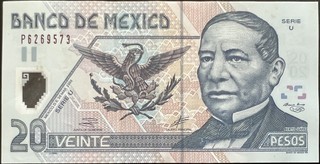
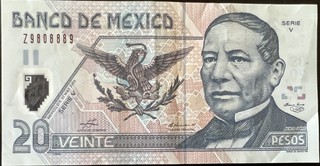
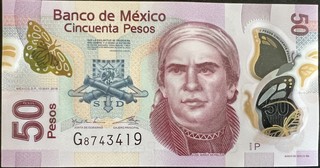
266 notes from 51 countries and the euro, collected in pockets and money belts between 1990 and 2026, photographed front and back. Filter by region, or browse alphabetically — every note opens its own page with the artwork story.
A — Australia 3 notes
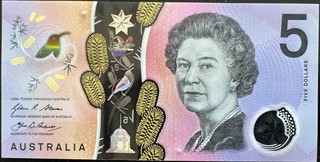
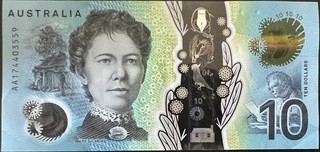
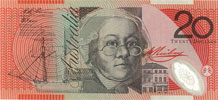
Australia uses the dollar — the world's first polymer banknotes, unrippable and washing-machine-proof.
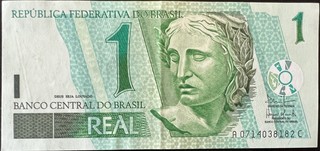
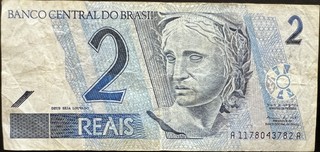
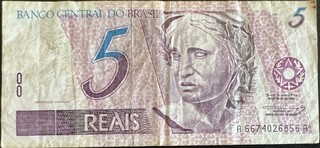
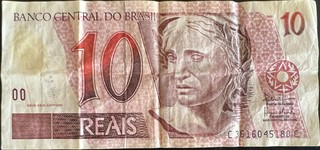
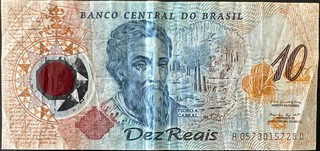
B — Brazil 5 notes
Brazil uses the real, introduced in 1994 to draw a line under decades of hyperinflation.
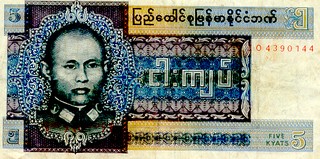
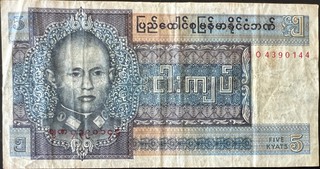
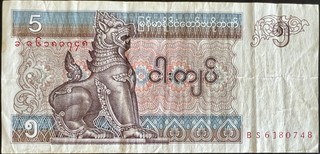
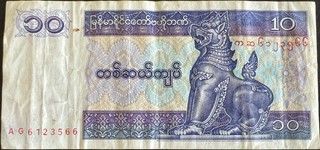
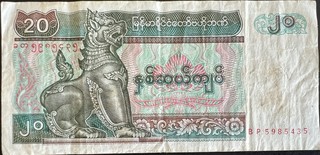
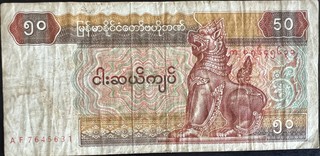
B — Burma 9 notes
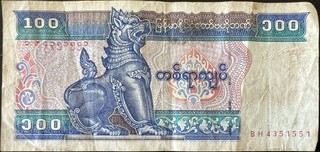
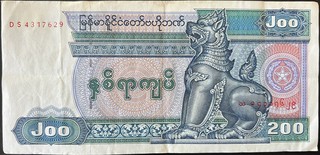
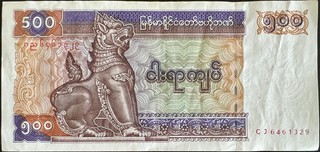
Burma uses the kyat — famous for denominations of 15, 45, and 90, chosen for numerological luck.
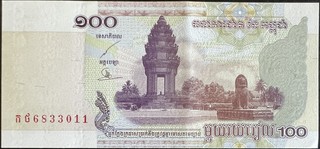
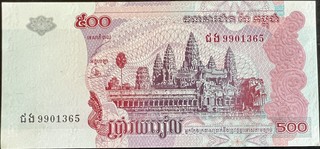
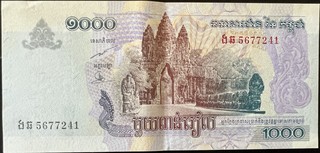
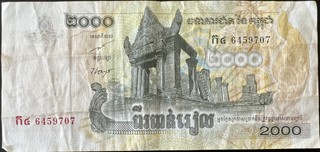
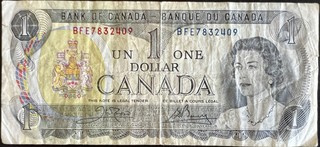
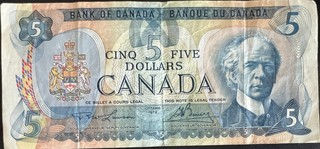
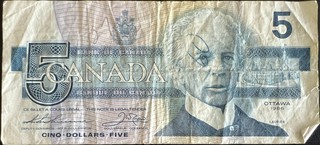
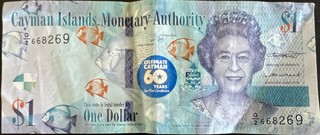
C — China 9 notes
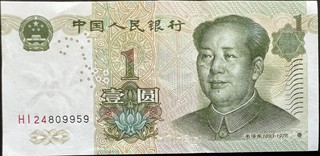
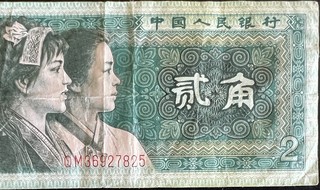
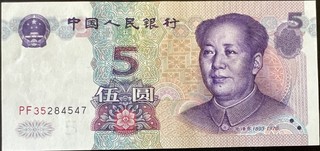
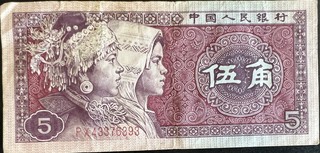
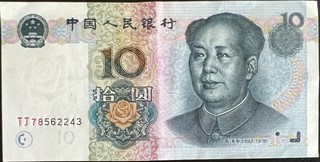
China uses the renminbi, counted in yuan; every note since 1999 carries Mao's portrait.
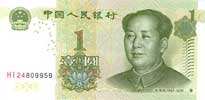
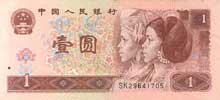
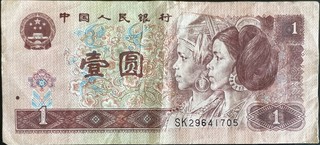
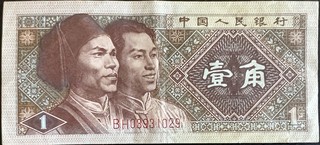
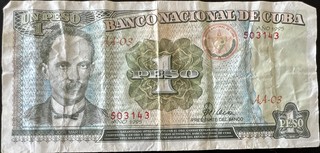
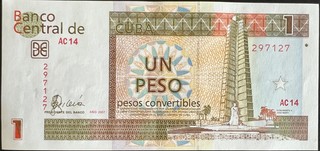
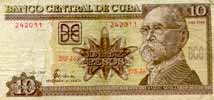
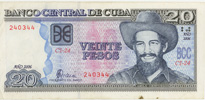
C — Cuba 5 notes
Cuba uses the peso — these are the national pesos of daily life, not the tourist convertibles.
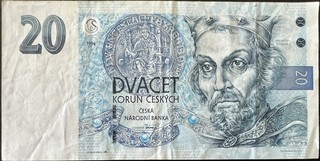
E — Egypt 3 notes
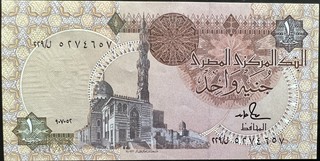
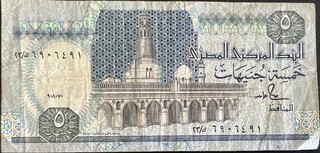
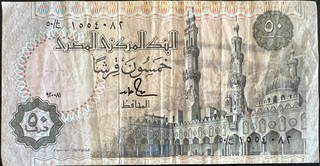
Egypt uses the pound, split into 100 piastres — pharaohs on one side, mosques on the other.
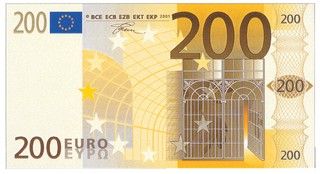
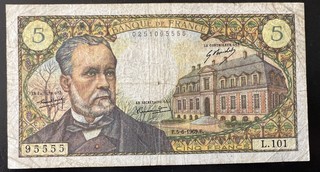
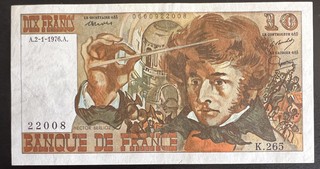
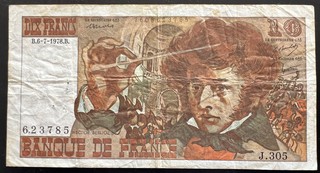
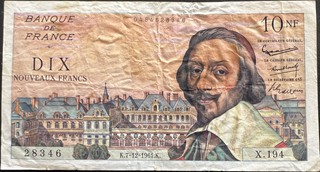
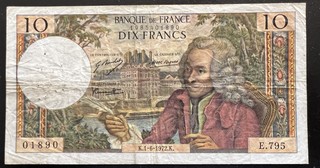
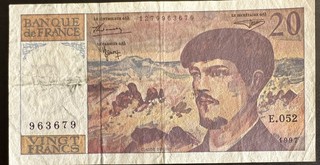
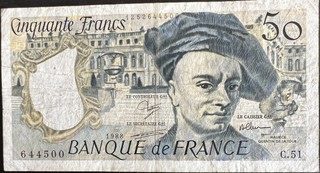
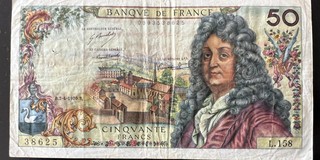
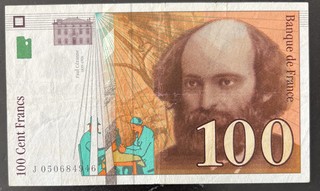
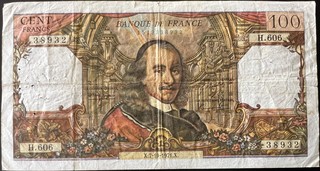
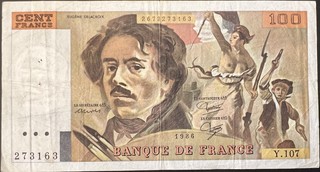
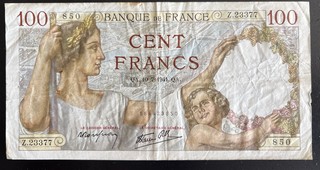
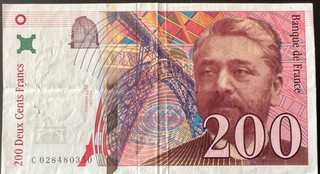
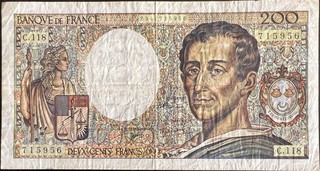
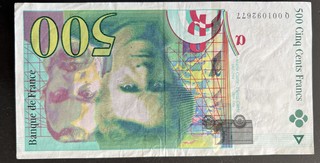
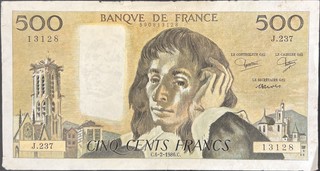
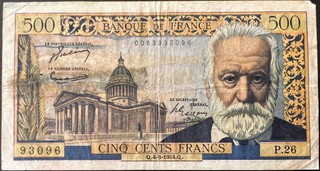
F — France 17 notes
France uses the franc.
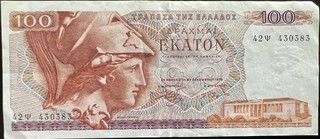
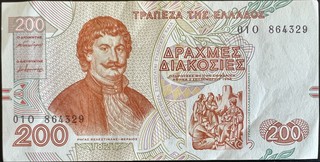
G — Greece 2 notes
Greece used the drachma until 2001 — one of the world's oldest currency names, retired by the euro.
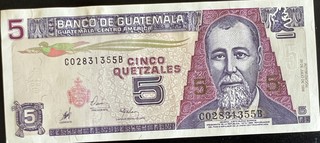
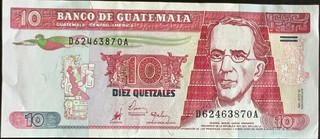
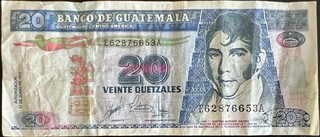
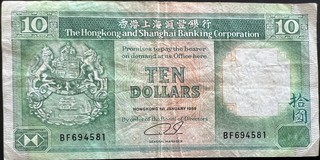
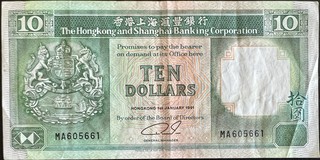
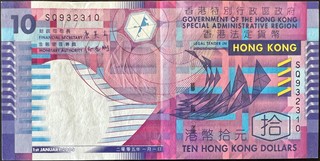
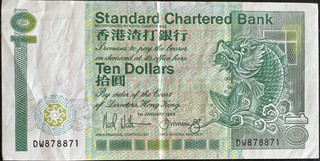
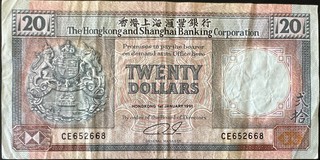
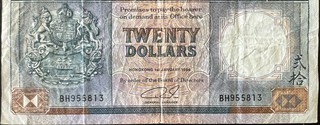
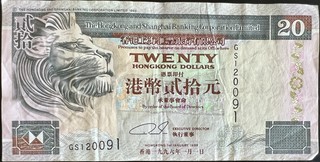
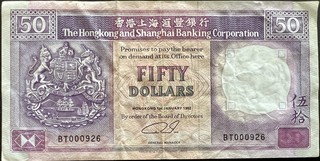
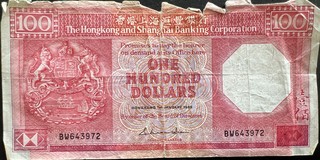
H — Hong Kong 11 notes
Hong Kong uses the dollar.
I — India 23 notes
India uses the rupee — Gandhi on every modern note, the Lion Capital of Ashoka on the older series.
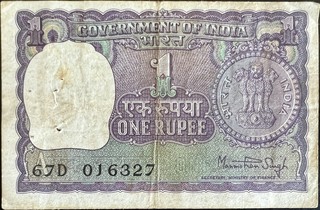 1Rupee
 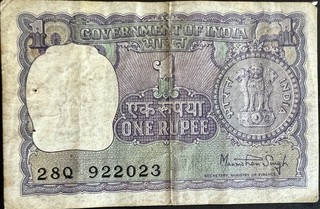 1 · oldRupee
 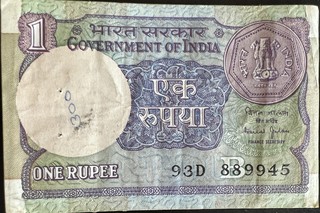 1 · oldv2Rupee
  2 · blueRupee
 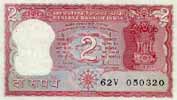 2 · redRupee
 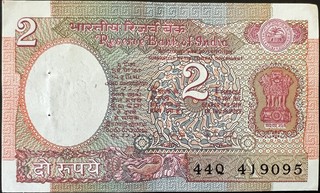 2 · satelliteRupee
 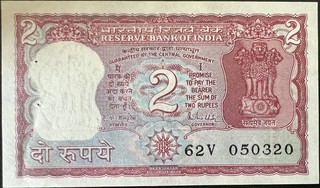 2 · tigerRupee
 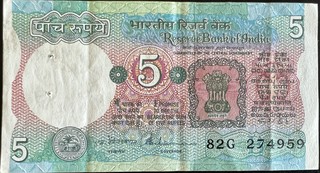 5Rupee
 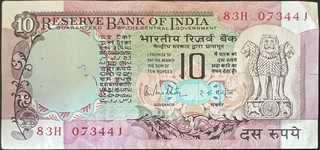 10 · ashoka-peacockRupee
 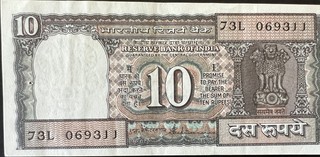 10 · boat-73lRupee
 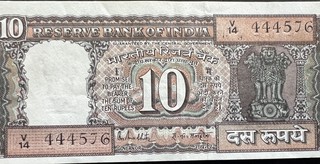 10 · boat-v14Rupee
 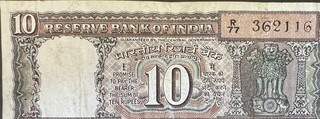 10 · brownRupee
 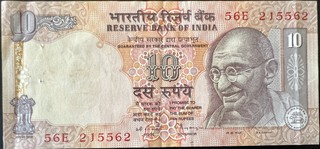 10 · gandhi-wildlifeRupee
 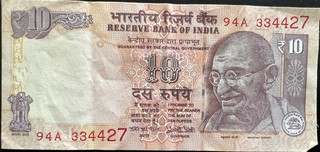 10 · ghandiRupee
  10 · newRupee
 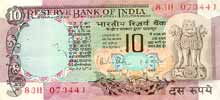 10 · old2Rupee
 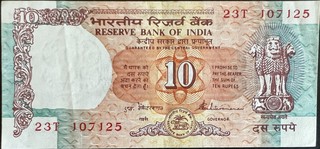 10 · orangeRupee
 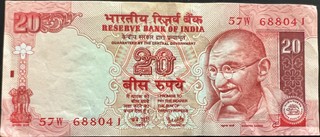 20 · ghandiRupee
 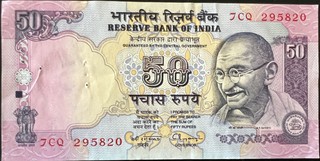 50Rupee
 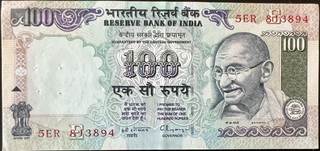 100Rupee
 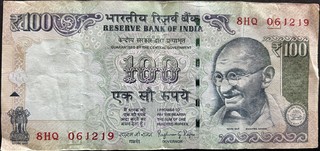 100 · ghandiRupee
 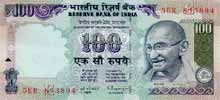 100 · newRupee
 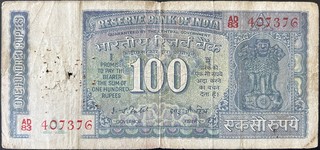 100 · oldRupee
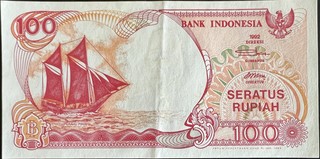
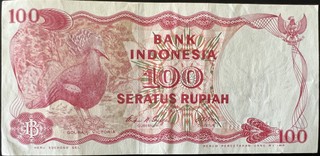
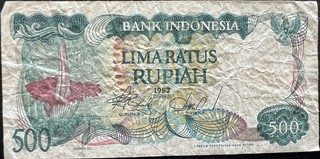
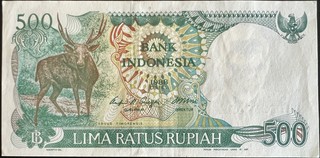
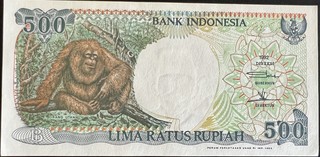
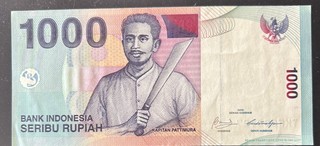
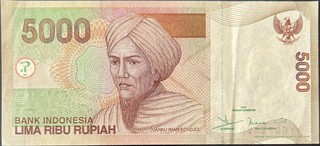
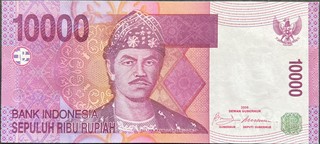
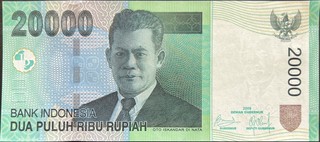
 I — Indonesia 16 notes
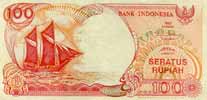
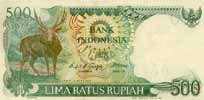
Indonesia uses the rupiah — same Sanskrit root as the rupee, across thirteen thousand islands.
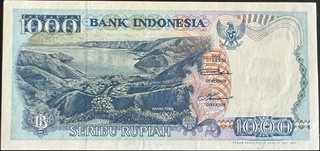
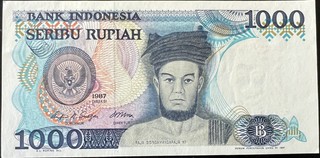
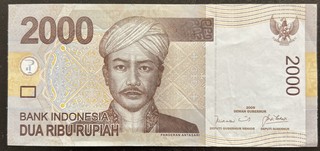
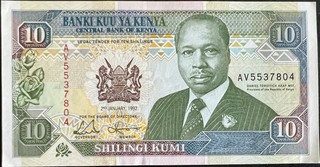
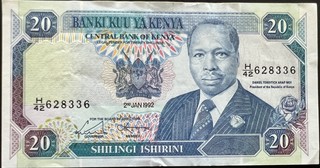
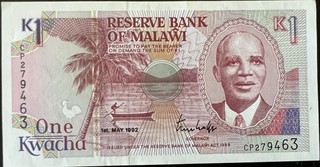
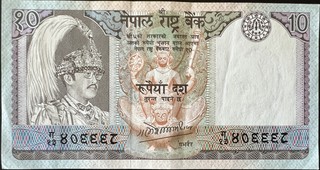
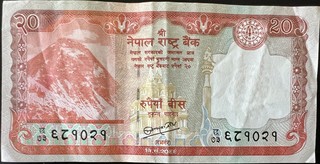
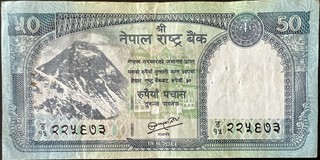
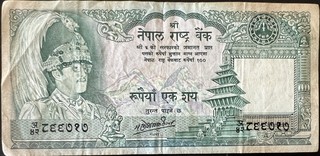
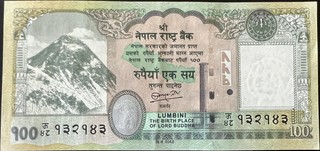
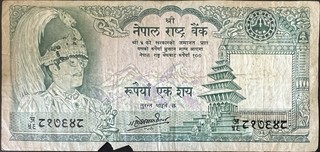
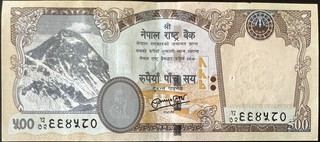
N — Nepal 15 notes
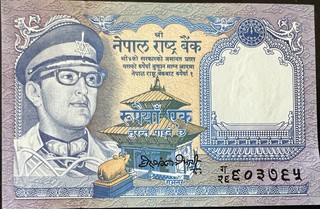
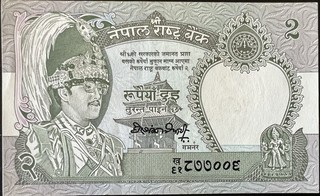
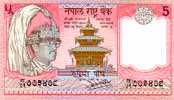
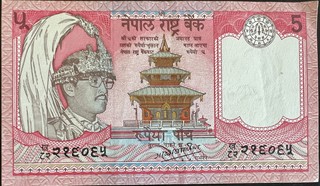
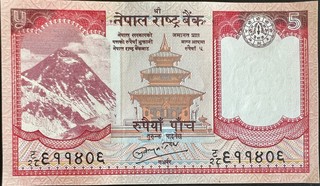
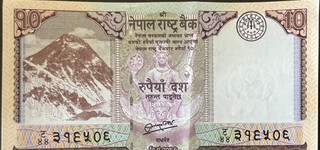
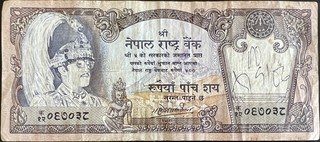
Nepal uses the rupee.
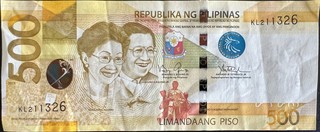
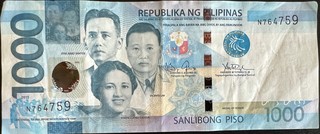
P — Portugal 5 notes
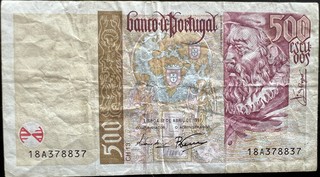
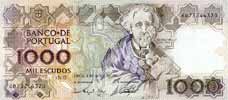
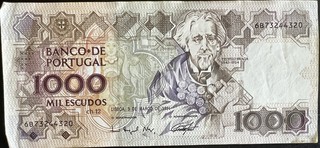
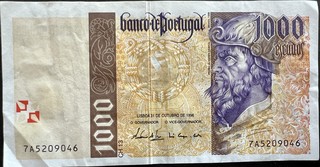
Portugal used the escudo until 2002 — navigators and caravels on nearly every note.
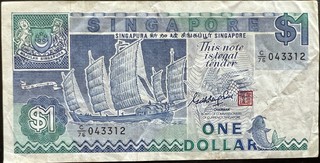
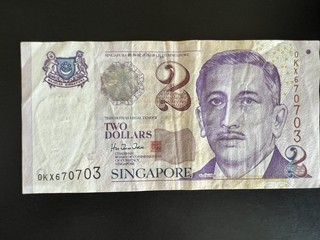
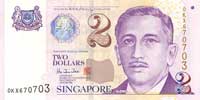
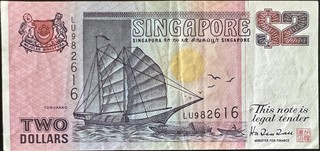
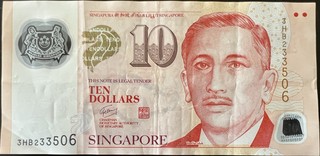
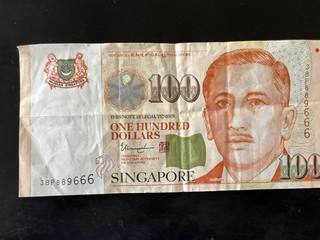
S — Singapore 6 notes
Singapore uses the dollar.
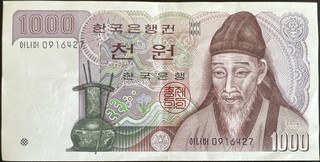
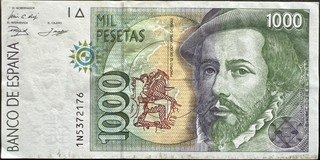
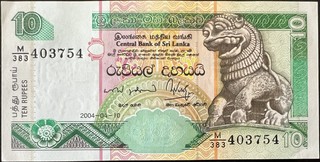
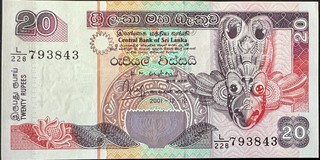
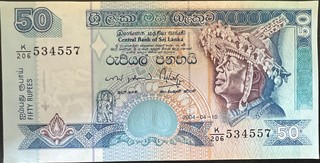
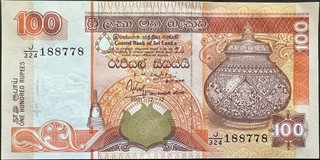
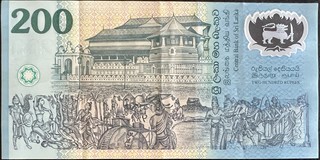
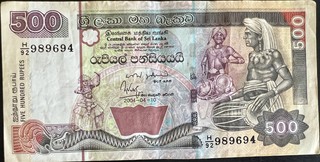
S — Sri Lanka 6 notes
Sri Lanka uses the rupee.
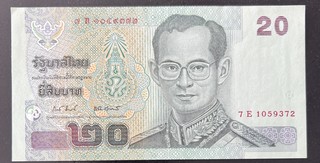
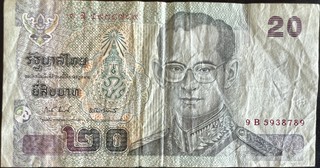
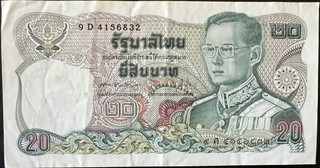
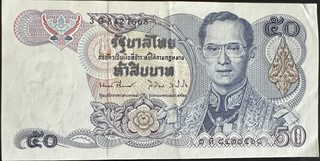
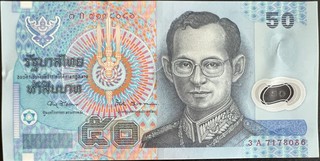
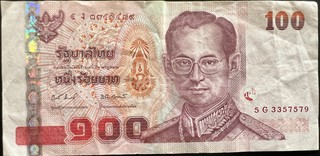
T — Thailand 8 notes
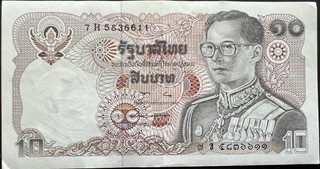
Thailand uses the baht.
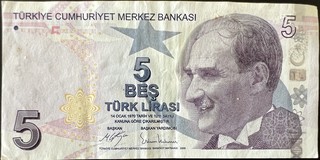
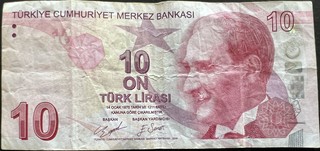
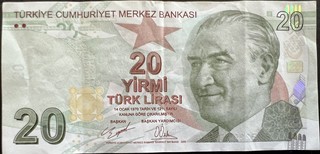
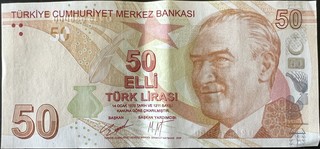
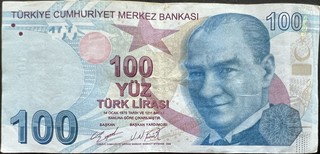
T — Türkiye 7 notes
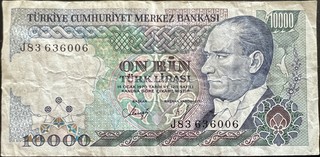
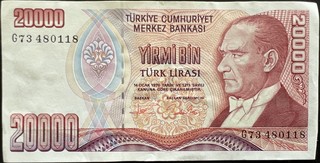
Türkiye uses the lira.
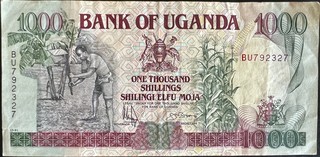
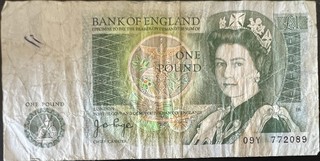
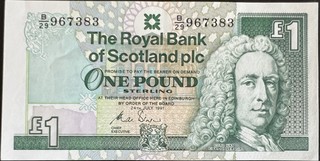
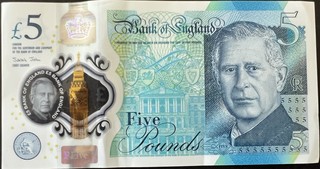
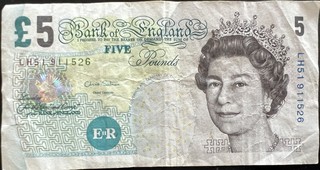
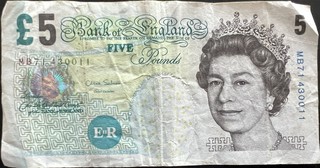
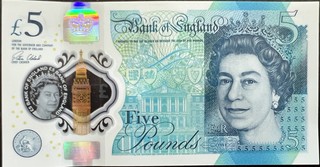
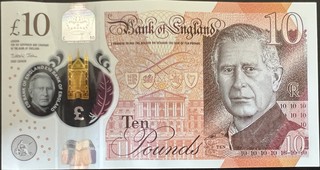
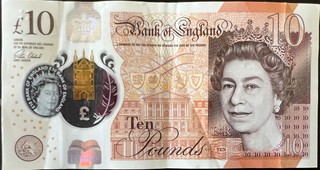
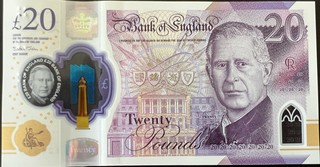
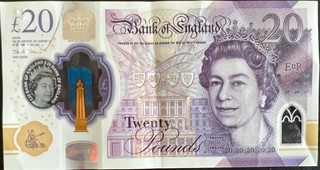
U — United Kingdom 10 notes
United Kingdom uses the pound.
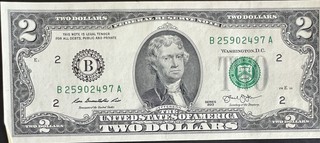
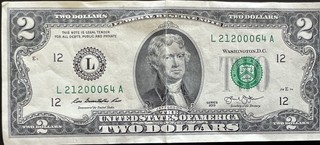
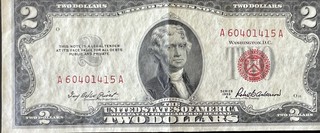
U — United States 3 notes
United States uses the dollar.
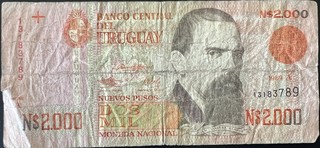
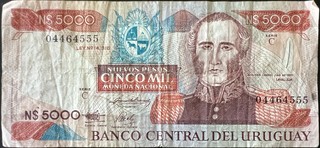
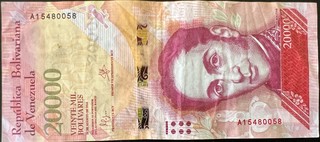
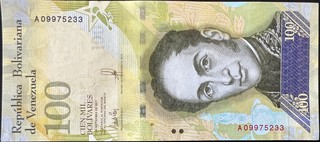
V — Venezuela 12 notes
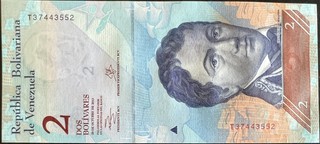
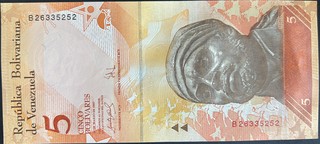
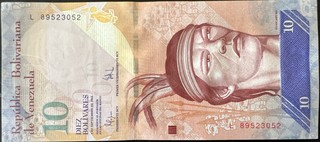
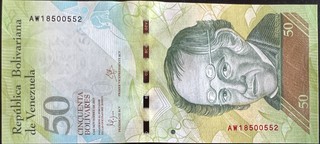
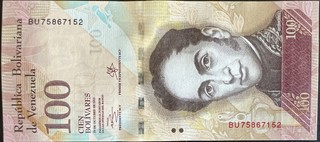
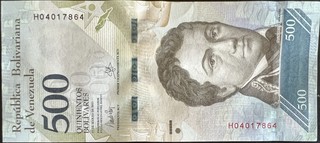
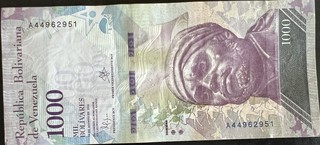
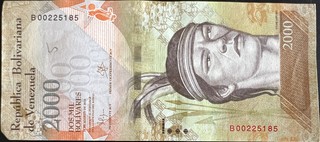
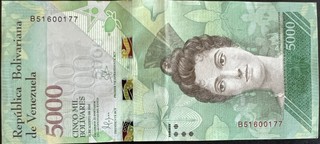
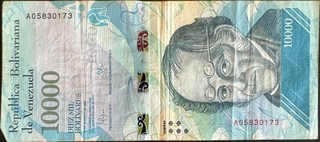
Venezuela uses the bolívar.
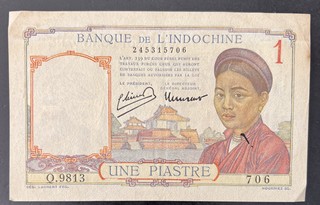
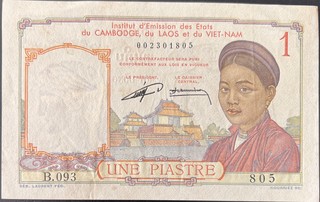
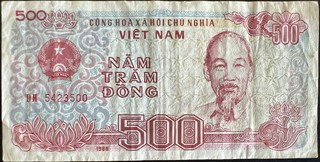
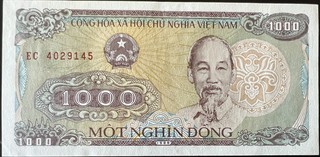
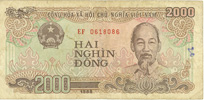
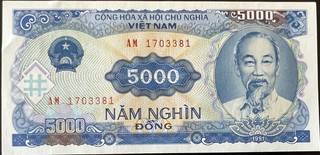
V — Vietnam 9 notes
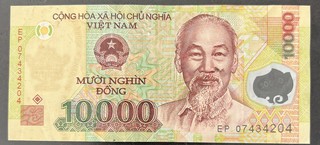
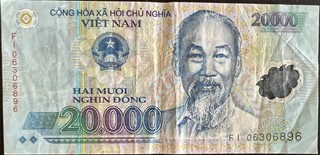
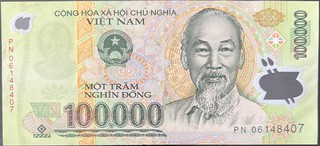
Vietnam uses the dong; Ho Chi Minh has appeared on every note since 1976.
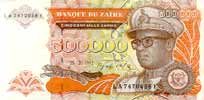
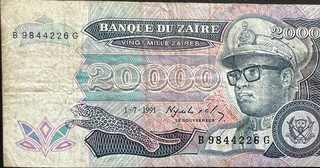
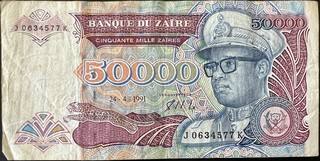
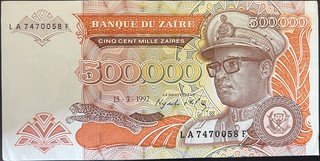
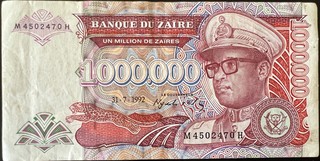
Z — Zaire 6 notes
Zaire uses the zaïre.
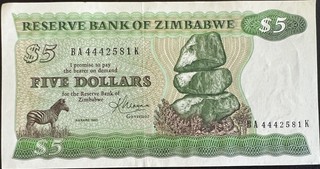
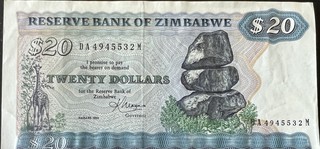
Z — Zimbabwe 2 notes
Zimbabwe uses the dollar — these notes predate the hyperinflation era's hundred-trillion bills.
No banknotes from this region yet.